A bag of ice is easy to forget until friends arrive, the patio drinks are warm, and the freezer tray has produced exactly six cubes. A portable ice maker for home solves that small but very real problem by making fresh ice on your counter, often in as little as six to 10 minutes. For Canadian households that host often, enjoy iced coffee, fill water bottles, or head to the cottage on weekends, it can be one of those affordable appliances that earns its space quickly.
The best choice is not always the model with the biggest daily output. Counter space, ice shape, noise, cleaning habits, and how you actually use ice matter more than an impressive number on a product listing. Here is how to find a machine that feels like a smart buy instead of another appliance waiting in the cupboard.
What a Portable Ice Maker Does Well
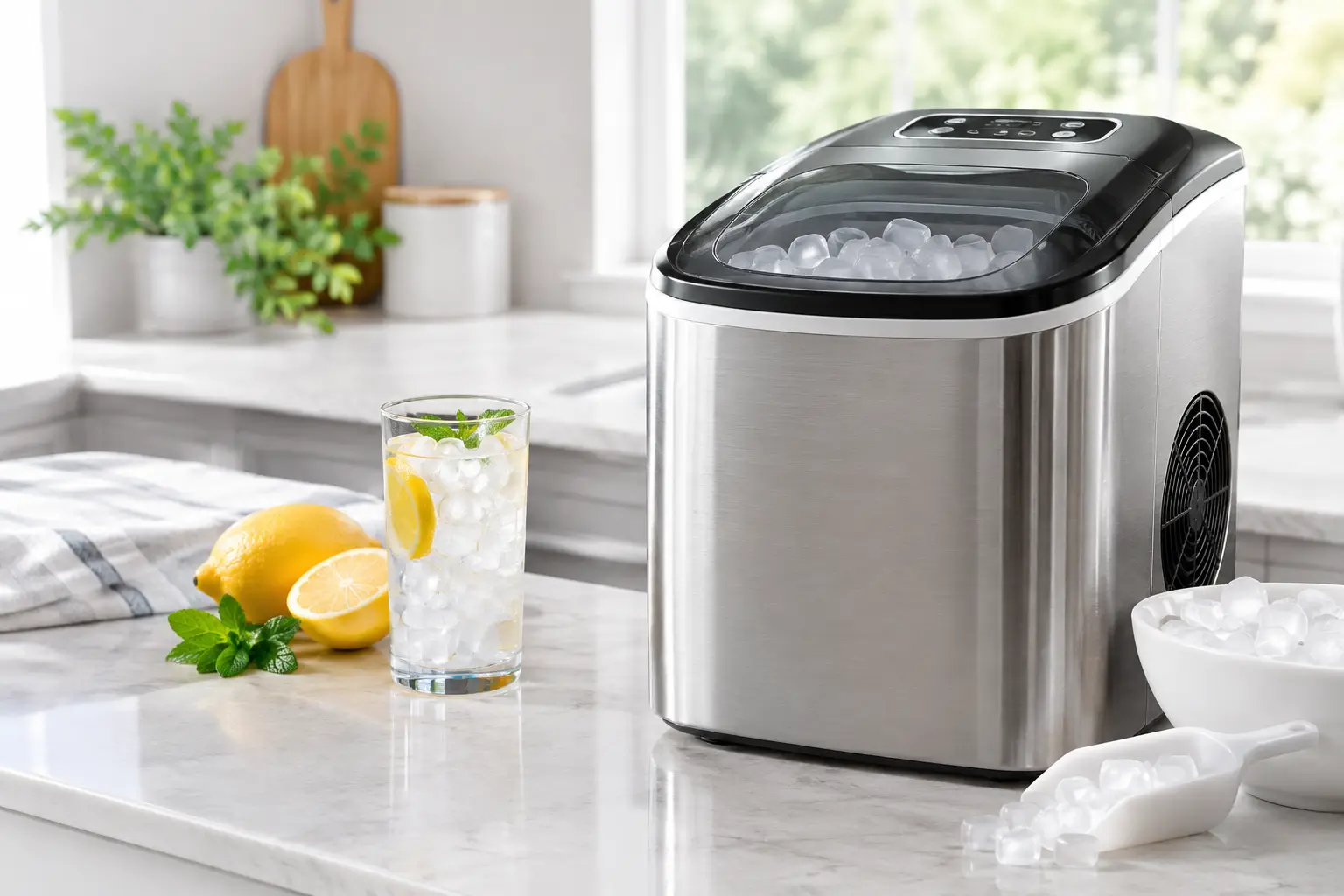
Portable countertop ice makers are designed for convenience. Add water, select an ice size if the machine offers the option, and wait for the first batch. Most make small, hollow bullet-shaped cubes, although some compact models produce nugget-style ice or cube-shaped pieces.
They are especially handy when your freezer does not have an ice dispenser, when your household goes through a lot of ice in summer, or when you need a steady supply for a gathering. A unit that makes 9 cubes every few minutes can keep a cooler, drink station, or pitchers topped up without repeated trips to the store.
There is one point shoppers should know before buying: most portable machines are ice makers, not ice freezers. Once the basket is full, the ice will gradually melt if it is left inside. The water is typically recycled to make more ice, which is efficient, but you should transfer finished ice to the freezer if you want to store it for later. That is normal operation, not a flaw.
Choose the Right Portable Ice Maker for Home Use
Start with the place where the appliance will live. Measure the width, depth, and height of the available counter space, then leave room around the vents. A compact ice maker is often around the size of a small coffee machine, but depth can surprise buyers. Also consider whether the lid needs clearance to open under your cabinets.
Daily production figures are useful as a general comparison, but they can be misunderstood. Many popular countertop machines advertise 20 to 26 pounds of ice per day. That number assumes the machine is running continuously in favourable conditions. For normal home use, focus on batch speed and basket capacity. If it creates its first batch quickly and has a basket large enough for several drinks, it will likely suit a couple or a small family very well.
Larger households and frequent hosts may prefer a higher-capacity model with a bigger water reservoir. It means fewer refills through a barbecue or game night. On the other hand, a smaller machine can be the better deal for an apartment kitchen, dorm room, RV, or condo where every inch of counter space counts.
Ice Shape Changes the Experience
Bullet ice is the most common option because it is quick to make and easy to scoop. Small bullets cool drinks fast, while larger ones melt a little more slowly. They are good for water, soft drinks, juice, and casual cocktails.
Nugget ice has a softer, chewable texture that fans of iced coffee and fountain-style drinks love. Machines that make it often cost more and may take up more room, so it is worth paying for only if that texture is a genuine priority. Clear, dense cube ice is attractive for cocktails, but it is less common in portable countertop units and usually comes with a higher price or a slower production cycle.
Look at the Water System
A simple manual-fill reservoir is ideal for most homes. You pour in potable water, let the machine work, and drain it when needed. Some models support a refillable water jug, while others may offer a direct water-line connection. The latter can be convenient, but it is not necessary for the average kitchen and may limit where you can place the appliance.
A useful viewing window lets you check ice levels without lifting the lid. Indicator lights for low water and a full basket are also worth having. They are small features, but they prevent wasted time and make an ice maker easier for everyone in the household to use.
The Features Worth Paying For
Not every extra feature delivers meaningful value. Prioritize the details that improve daily use rather than choosing a model simply because it has more buttons.
A self-cleaning cycle is one of the better upgrades. It does not remove the need for regular manual cleaning, but it makes maintenance faster. A removable basket and included scoop are standard conveniences that still matter, especially when several people are using the machine.
Noise is another practical consideration. The compressor and fan will make sound, and ice dropping into the basket creates occasional clatter. Most countertop machines are fine for a kitchen, but a quiet-running model is the better fit for a studio apartment, open-concept living space, or home office. Product reviews can offer a clearer sense of real-world noise than a single specification.
For shoppers who want the best deals, resist paying extra for a flashy control panel if the core performance is the same. A dependable machine with a sensible reservoir, quick ice cycle, simple controls, and easy cleaning is often the better long-term pick.
Placement, Power, and Canadian Summer Heat
Put the ice maker on a stable, level surface near a standard outlet. Avoid extension cords unless the manufacturer specifically permits them, and keep the appliance away from direct sun, ovens, and tight enclosed spaces. It needs airflow to work efficiently.
Room temperature has a real effect on performance. A machine running in a cool kitchen will generally make ice faster than one working in a hot sunroom or beside a busy grill door. During a heat wave, use cold drinking water to help it get started, keep the lid closed as much as possible, and do not expect the daily production claim to be identical to ideal lab conditions.
If you plan to use the unit at the cottage, check the manual for transportation guidance. Letting it sit upright for a period after travel is commonly recommended so the refrigerant system can settle. Bring a dedicated scoop and a clean container for moving made ice into a freezer or cooler.
Keep Your Ice Tasting Fresh
Fresh ice can pick up odours if the water reservoir or basket is neglected. Empty the machine when you will not use it for several days, drain remaining water, wipe down the interior, and leave the lid open long enough for everything to dry. This helps prevent stale smells and mineral buildup.
How often you clean depends on water hardness and usage, but regular cleaning is much easier than trying to fix a neglected machine later. Follow the manufacturer’s instructions for approved cleaning solutions. Do not use harsh products that may leave residue behind.
Filtered water can improve taste in areas with noticeable mineral content, although it is not mandatory for every household. The bigger rule is simple: use clean, drinkable water and do not leave old water sitting in the reservoir for long periods.
Is It a Good Buy for Your Kitchen?
A portable ice maker makes the most sense when convenience is worth more than freezer storage. It is a strong fit for families who fill sports bottles, people who make iced drinks every day, entertainers who are tired of buying bags of ice, and cottage owners who want an easy drink station. It can also make a thoughtful housewarming or wedding gift because it is useful without being complicated.
It may be less essential if your fridge already makes plenty of ice and your household rarely uses more. In that case, a few ice trays or reusable freezer molds may be the more affordable answer. The right purchase depends on frequency: the more often you run out of ice, the more value a countertop machine delivers.
When comparing popular models, choose the capacity and ice style that match your routine, then watch for a price that leaves room in the budget for the accessories you will actually use, such as insulated cups, a cooler, or a quality water bottle. A well-chosen ice maker turns last-minute hosting and everyday cold drinks into an easy win – and that is a feature you will appreciate long after the first batch drops.