A cracked screen can turn a perfectly good phone into an expensive problem before lunch. The right phone case for drop protection is one of the easiest upgrades you can make, but the bulkiest option is not automatically the best buy. Your phone, routine, budget and preferred feel in hand all matter.
For Canadian shoppers, it also pays to think beyond a case’s colour or advertised style. Winter gloves can make phones easier to drop, icy sidewalks are unforgiving, and backpacks, work bags and busy family life put devices through plenty of daily knocks. A good case should add confidence without making your phone frustrating to carry, charge or use.
What a phone case for drop protection should do
Drop protection is about managing impact, not making a phone indestructible. When a phone falls, a case needs to cushion the force, keep the corners from taking the full hit and raise the screen and cameras away from hard surfaces. The best choices combine more than one protective feature instead of relying on a thick shell alone.
Start with the corners. They are often the first point of contact in a fall, which is why protective cases commonly use reinforced corner sections or small air pockets. These zones compress on impact and help direct force away from the phone’s frame. A case with extra padding at all four corners is usually a smart choice for commuters, students and anyone who has already had one too many close calls.
Raised edges are the next feature worth checking. A lip around the front helps keep the display from resting directly on a table or pavement when the phone lands face-down. A raised camera surround does the same job for rear lenses, which are costly and inconvenient to repair. The edge does not need to be huge, but it should sit slightly higher than both the screen and camera glass.
Grip matters more than shoppers sometimes expect. A slippery case can look great in product photos but create the very drops it is meant to prevent. Textured sides, a matte finish, shallow ridges or grippy rubberized materials can make a noticeable difference, especially when you are using your phone one-handed on the bus, at the gym or while carrying groceries.
Finally, fit is protection. A loose case can shift during a fall, leaving the corners exposed. Choose one made for your exact phone model, including the correct version, size and release year. Check that cutouts line up with speakers, charging ports and buttons, and that the camera opening does not leave too much empty space around the lens area.
Pick the protection level that fits your routine
You do not need the same phone case for drop protection as someone who works outdoors or spends weekends hiking. The best value comes from matching the case to the risks your phone actually faces.
For everyday calls, errands and commuting
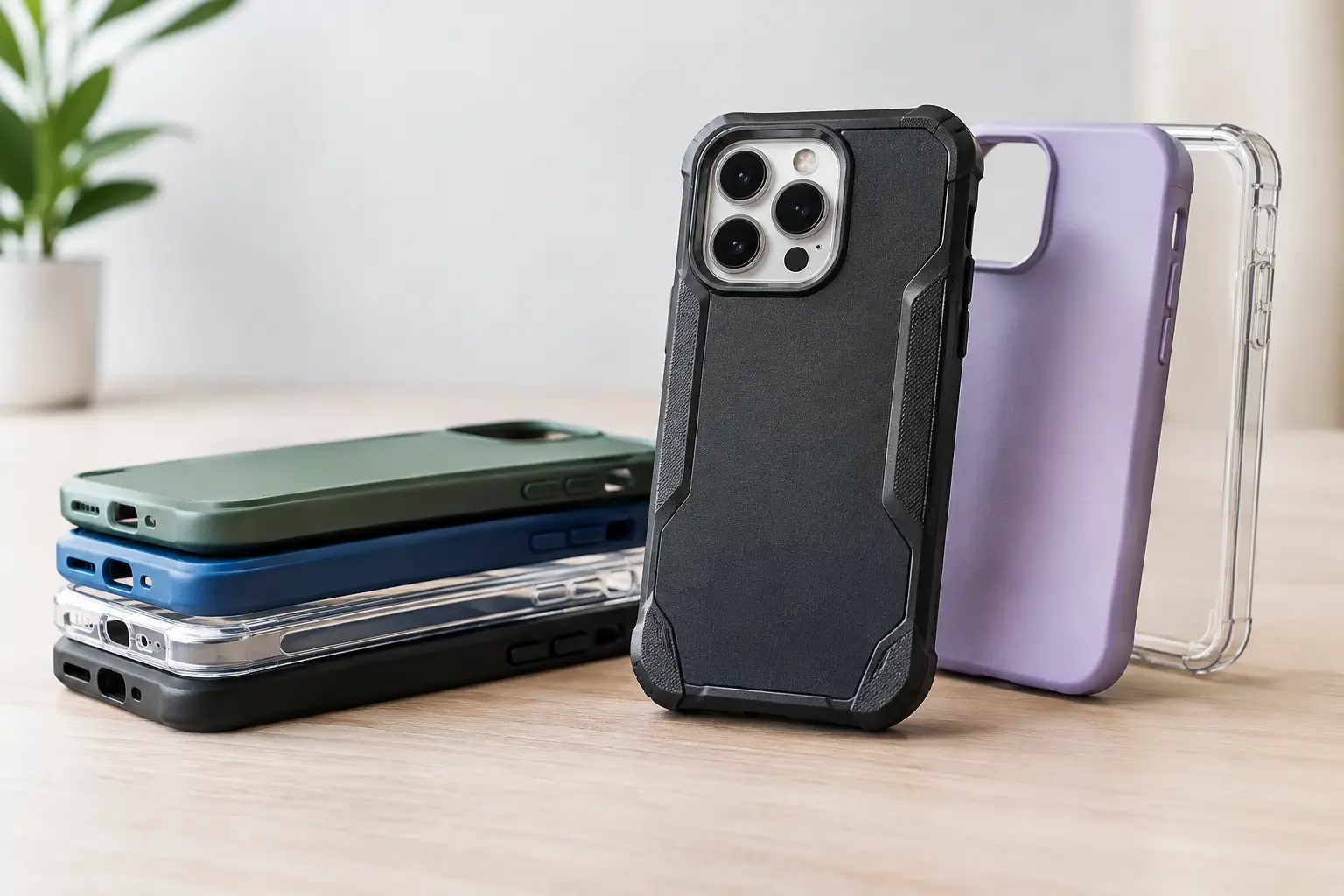
A slim protective case with reinforced corners and raised screen edges is often the sweet spot. It is easier to slide into a pocket, feels lighter in hand and still handles the accidental drop from a desk, couch or car seat. Look for flexible TPU-style sides paired with a firmer back panel. This combination offers grip and shock absorption without turning your phone into a brick.
Clear cases are popular here because they show off the phone’s original finish. The trade-off is that some transparent materials can yellow over time, particularly with sun exposure and regular handling. If keeping a clear look matters, choose a case that specifically mentions resistance to yellowing, but expect that no clear case stays brand-new forever.
For busy families, students and active days
A medium-duty case makes sense when phones get passed around, tossed into backpacks or used everywhere from the kitchen to the hockey rink. Prioritize a grippy exterior, corner protection and a stronger frame around the screen. Cases with a slightly thicker profile are easier to hold and usually offer better impact absorption than ultra-thin styles.
This is also where a built-in kickstand can earn its keep. It is useful for video calls, recipes, streaming and homework breaks. Just make sure the stand sits flush when closed and does not create a weak point that catches on pockets or bags. Convenience is great, but not if the case feels flimsy where it needs to be strongest.
For work sites, travel and outdoor use
If your phone regularly meets concrete, tools, trails or airport floors, consider a rugged case. These often have multiple layers: a flexible inner shell to absorb shock and a harder outer layer to spread impact. Some add port covers, stronger camera bezels and more pronounced side texture.
The trade-off is clear: rugged cases can be heavier and less pocket-friendly. They may also make buttons feel stiffer or interfere with certain charging docks. For a phone used on job sites, during delivery shifts or on outdoor trips, that extra bulk is often a fair exchange for fewer repair worries. For a phone that mostly lives on a desk, it may be more protection than you need.
Materials make a real difference
Most protective cases use a mix of materials, and that is usually a good sign. Soft thermoplastic polyurethane, often called TPU, is flexible, shock-absorbing and grippy. It is common around the edges because it handles everyday impacts well. Hard polycarbonate adds structure and helps resist scratches, making it useful for the back panel.
Silicone cases feel soft and comfortable, with a confident grip that works well for daily use. They can collect lint in pockets and may show dust more easily, but many people prefer the feel over a hard plastic shell. Leather-style cases offer a polished look for work or gifting, although their drop protection depends heavily on the internal construction. A leather finish alone is not a reason to assume a case can handle a serious fall.
Watch for products that focus only on military-grade language without explaining the design. Drop-test standards can be useful, especially when a case states a tested drop height, but marketing terms are not a guarantee that every accident will end well. A case that lists reinforced corners, raised bezels and a multi-layer build tells you more about how it aims to protect your phone.
Do not forget screen protection and compatibility
Even the best case leaves the display exposed from the front. Pairing your case with a tempered-glass screen protector is one of the most affordable ways to add another layer of defence. It can take scratches and small impacts that would otherwise damage the display itself.
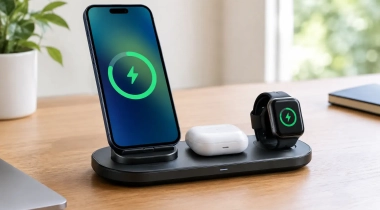
Compatibility deserves a quick check before you buy. If you use magnetic charging accessories, choose a case designed to support them rather than hoping a thick case will work. If wireless charging is part of your nightly routine, avoid extra-thick designs or metal components that can get in the way. Wallet cases are handy for carrying cards, but adding several cards can make the case bulkier and may reduce charging compatibility.
Also think about camera use. A protective case should not cast a shadow into photos, block flash performance or interfere with stabilizers and clip-on accessories. If you take lots of photos, record video or use your phone for content creation, a clean camera cutout and secure fit are worth paying attention to.
How to spot a good deal without buying twice
A low price is appealing, but the cheapest case can become expensive if it cracks quickly, loses its grip or fits poorly. Instead of sorting only by price, compare the features you will use every day: corner protection, raised edges, materials, grip and charging support. Read product details closely for your exact device, because similar phone names can have different dimensions and camera layouts.
It also helps to decide what you can live without. If you never use a kickstand, there is no reason to pay extra for one. If your phone has a bright finish you love, a clear protective design may be worth the occasional cleaning. If you drop phones often, spend a little more on a trusted multi-layer case rather than replacing bargain cases every few months.
At GadgetGuys.ca, shoppers can browse popular phone accessories alongside other everyday tech picks and compare options that suit different budgets. Keep an eye on bundle offers too. A case, screen protector and charging accessory purchased together can be a practical way to protect a new phone from day one.
A phone case should make you less nervous about using your phone, not make it awkward to hold or hide the features you paid for. Choose the level of protection that matches your real routine, check the fit before checkout, and let a little extra grip save you from that next sudden drop.